Goal 1 · Practitioners
The BIMe Initiative · a not-for-profit knowledge commons
New ways of thinking, researching, learning and collaborating
We accelerate the digital transformation of the built environment with peer-reviewed frameworks, a shared modular language and free tools, developed in the open by practitioners and academics from more than 40 countries.
Explore the knowledge Read the Manifesto
Building on research shared openly since 2005.
Ten people, ten questions. Tap anyone to hear their story.
- Researching Amara · Doctoral researcher How do countries differ in the way they adopt BIM? Amara is comparing national adoption for her thesis. She needed data she could cite and reuse, rather than another survey to run from scratch. Macro Adoption Dashboard
- Thinking Tomás · BIM manager at a contractor How do standards, protocols and guides relate to each other? Every client sends Tomás a different requirement. Before writing his company's own guide, he wants to see where each document sits and what it covers. The BIM Framework
- Learning Moussa · University lecturer How do I teach digital competence that students can measure? Moussa is redesigning a course around role profiles and their statements, so students can see what they are able to do as well as what they know. Roles, Profiles and Flows
- Learning Aminata · Graduate architect Does this term mean the same thing in every country? Aminata works with consultants on three continents. When a term is unclear, she checks its published definition and regional wording before it reaches a contract. BIM Dictionary
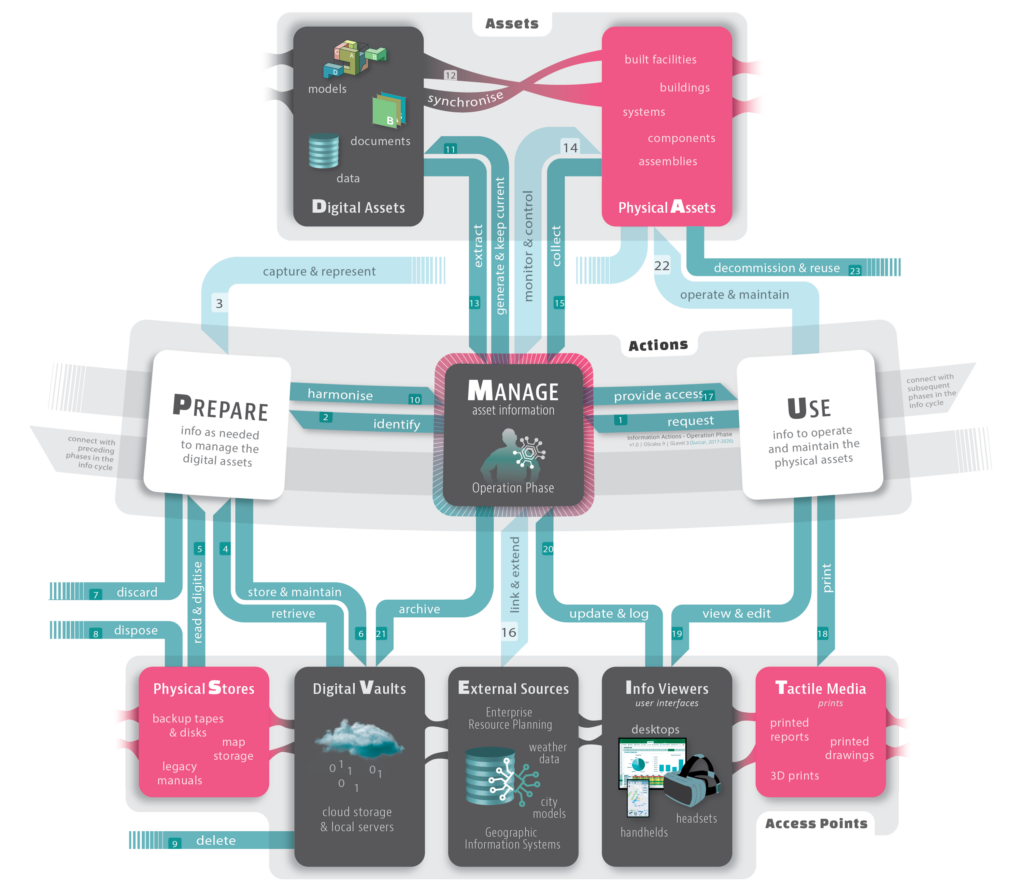
- Thinking Priya · Asset information manager How do we keep asset information useful after handover? Priya receives models and documents at every handover, and most go unused. She is testing one record per asset that links purposes, requirements and evidence. LITE, testing by invitation
- Thinking Fatima · Policy adviser What should a national digital strategy tackle first? Fatima advises on construction policy. She compares the policy environment in other markets before recommending where to begin. Macro Adoption Dashboard
- Researching Mateus · Software developer Can our product reuse shared terms instead of inventing its own? Mateus builds tools for project teams. He links the fields in his software to published terms and statements, so his data lines up with other tools. BIMei Ontology
- Collaborating Ayşe · Dictionary language team How do colleagues read the same term in their own language? Ayşe translates BIM Dictionary terms with one of 26 language teams, so practitioners in her region can work from the same published definitions. BIM Dictionary
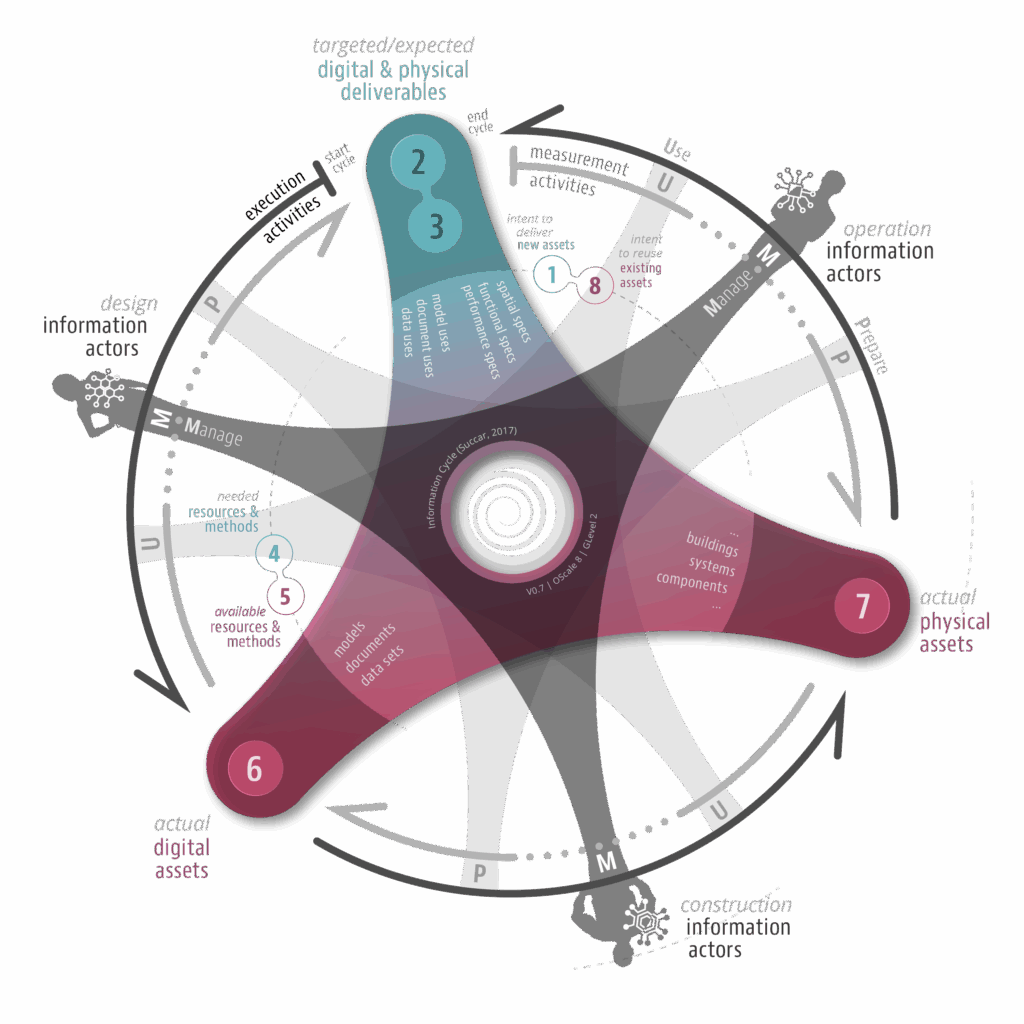
- Collaborating Aroha · Client-side project director What should we ask suppliers to deliver, and when? Aroha is preparing information requirements for a new facility. She uses the Information Cycle to decide what is needed at each stage, and why. Model 44, Information Cycle
- Collaborating Kwame · Industry consultant How digitally capable is the supply chain we rely on? Kwame helps an industry group benchmark its members. He runs one assessment campaign across many organisations and compares the results. Assessor, by arrangement

Visual Knowledge Models
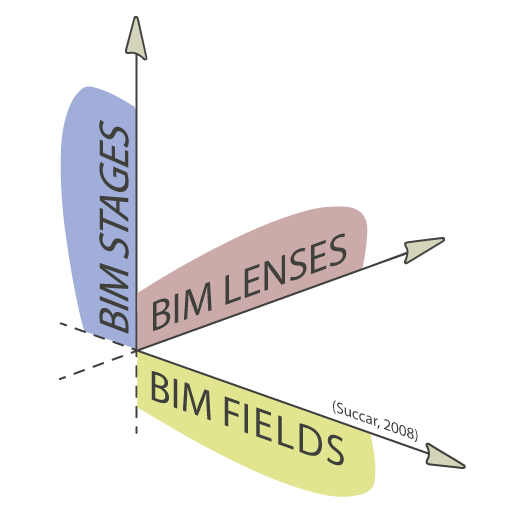
Model 01 · The Tri-Axial Framework
Published Dec 2013
Visual. We will represent knowledge in a visual and colourful manner.
All 46 models →01Why BIMei exists
07 Respectful. We will respect existing knowledge by building upon it.
Digital transformation needs knowledge that connects
Government committees, commercial organisations and committed individuals have produced excellent strategies, protocols and solutions. Most remain disconnected from each other, restricted by copyright, and specific to the market they came from. BIMei takes a different, complementary path.
From disconnected to Connected
One Knowledge Structure and a modular language, so every framework, term and tool fits with the others.
From restricted to Open
Guides and tools released under Creative Commons, free for individuals and organisations to use on their own projects.
From market-specific to International
Peer-sourced and peer-tested across academia and industry, in more than 40 countries and 26 language teams.
In essence, BIMei complements – and where difficult to complement, provides an alternative to – top-down, authority-led and prescriptive BIM diffusion policies.
Innovation before standardisation
02Our mission
02 Practical. We will generate tools and guides of benefit to current and future practitioners.
To accelerate the digital transformation of the built environment.
Our mission is expressed as three complementary goals. Start from the one closest to your work.
Goal 2 · Organisations
Assist organisations to adopt, adapt and innovate practical digital solutions
Goal 3 · Policy makers
Support policy makers in improving digital transformation strategies
Building tools or doing research? The BIMei Ontology and open adoption datasets are made for reuse.
03Knowledge Structure
08 Structured. We will follow a clear structure for collating, organising and sharing knowledge.
One Knowledge Structure behind everything we build
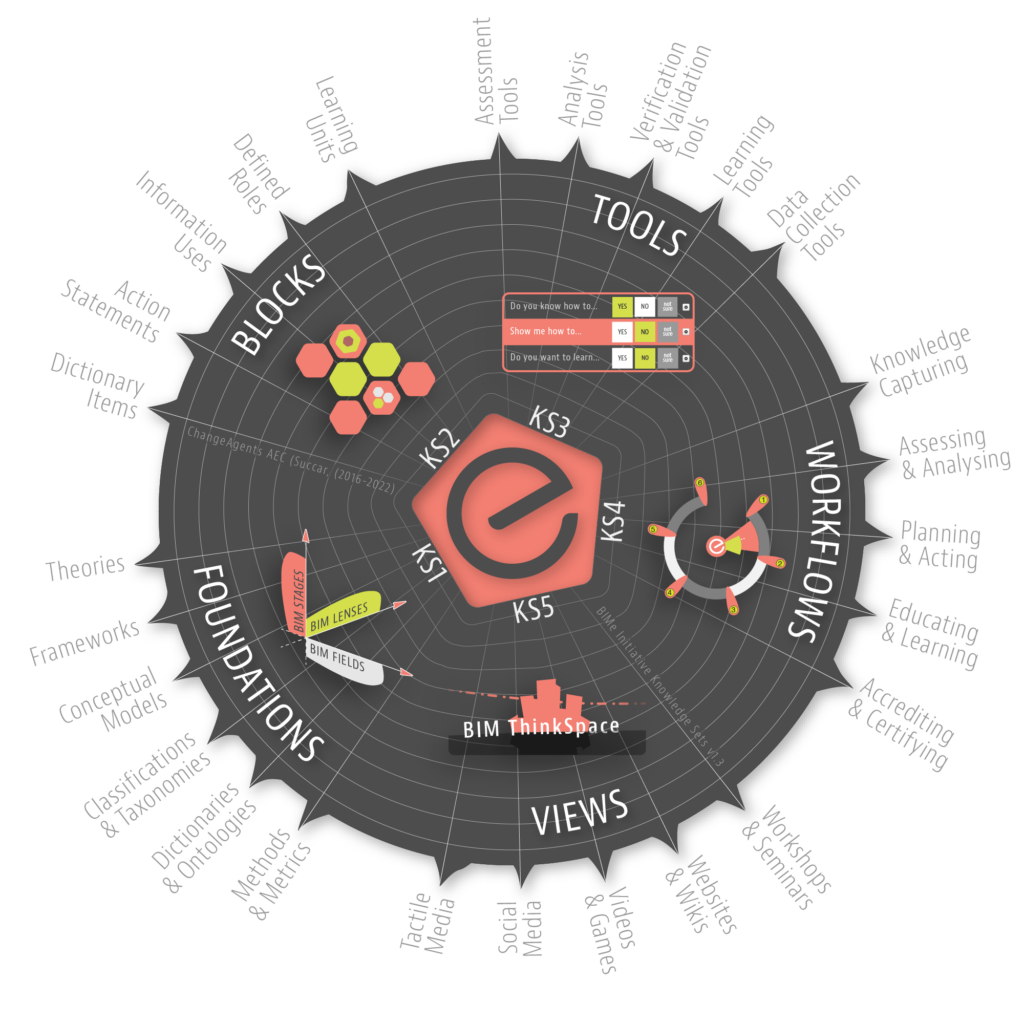
Every BIMei project follows the same five Knowledge Sets. That is why a term in the Dictionary, a statement in a role profile and a requirement in an asset's lifecycle record can all point to the same idea.
-
KS1
Knowledge Foundations
Peer-reviewed papers and 46 Visual Knowledge Models.
-
KS2
Knowledge Blocks, the modular language
869terms
489action statements
Each with a permanent identifier, published in the BIM Dictionary and the BIMei Ontology.
-
KS3
Knowledge Tools
RPF, Assessor, the Macro Adoption Dashboard, LITE and the resource series.
-
KS4
Knowledge Workflows
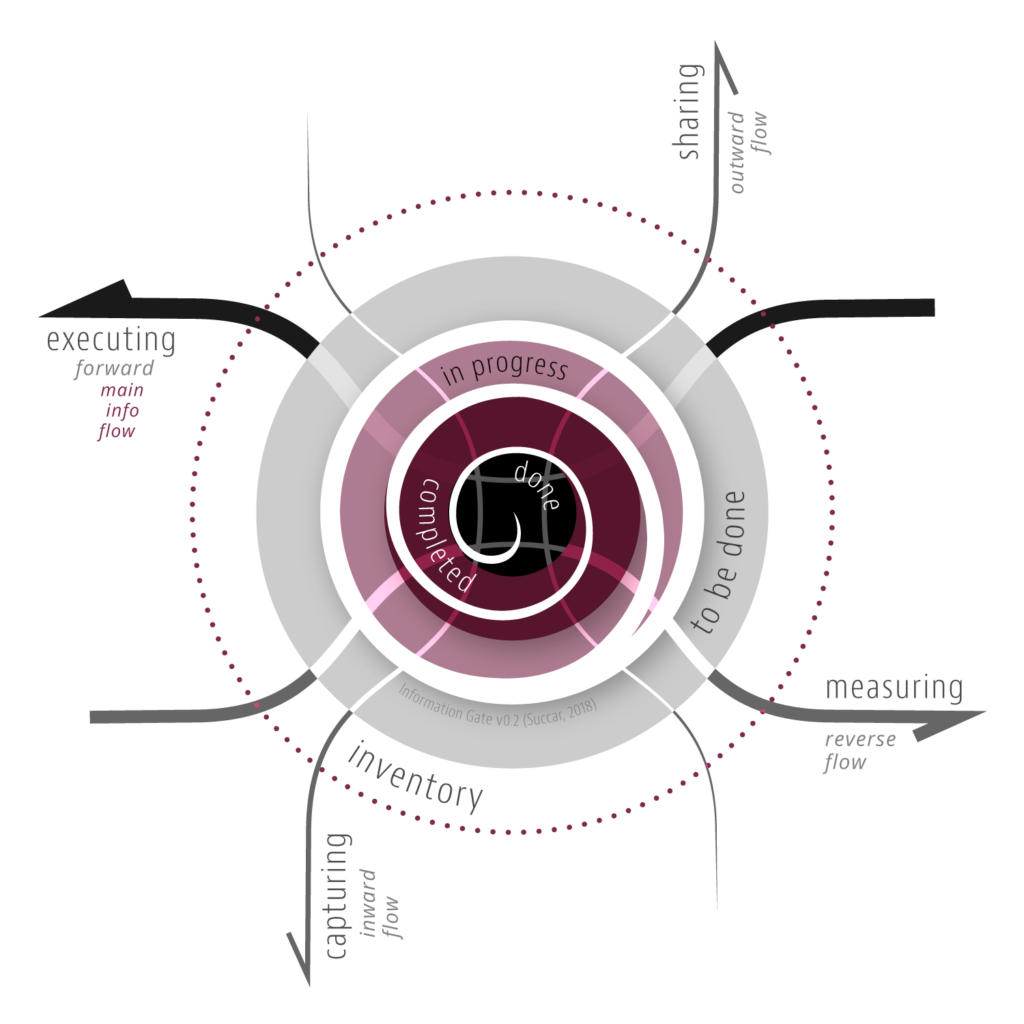
Competency flows, assessment campaigns and lifecycle information gates.
-
KS5
Knowledge Views
Visual models, ThinkSpace episodes and dashboards.
04Apps
10 Cohesive. We will deliver products and components which are interconnected and interoperable.
Six apps that speak one language
Follow how the apps connect, from shared terms to single sign-on, then go straight to the one you need. One BIMei account signs you in to all of them.
15 applications and 59 documented connections. Select an app to follow its links, or filter by connection type and evidence stage: recorded, manual or planned.
Go straight to an app

 Live
Live
BIM Dictionary
Find and cite published terms, with permanent links and regional wording.
869terms
26language teams
Open to all
dictionary.bimexcellence.org

 Live
Live
BIMei Ontology
The register of action statements and terms behind every BIMei app.
489statements
57actions
937terms
Open to read
ontology.bimexcellence.org

 Live
Live
Roles, Profiles and Flows
A common language for competence: roles made of profiles, profiles made of measurable statements.
32roles
53profiles
836statements
Open to browse, free account to author
rpf.bimexcellence.org

 Live
Live
Macro Adoption Dashboard
Compare BIM adoption across countries: organisations, education and policy.
22datasets
3studies
Open to all
mad.bimexcellence.org

 Live
Live
Assessor
Run digital-performance assessment campaigns across organisations, projects or a whole sector.
Campaigns at any scale
By arrangement
assessor.bimexcellence.org

 Testing
LITE
One structured record per asset unit, connecting purposes, requirements and evidence across the lifecycle.
Built on the peer-reviewed LITE framework
By invitation
lite.bimexcellence.org
Agility over rigidity
05Ideas in the open
17 Tested. We will test solutions before releasing them as such.
Two decades of ideas, shared as they formed
BIM ThinkSpace began in 2005 as a place to think out loud. Many BIMei constructs were first shared there, then tested through peer-reviewed research and turned into tools.
-
2005
BIM ThinkSpace begins
A space to discuss BIM, interoperability and process integration.
-
2008
The BIM Framework
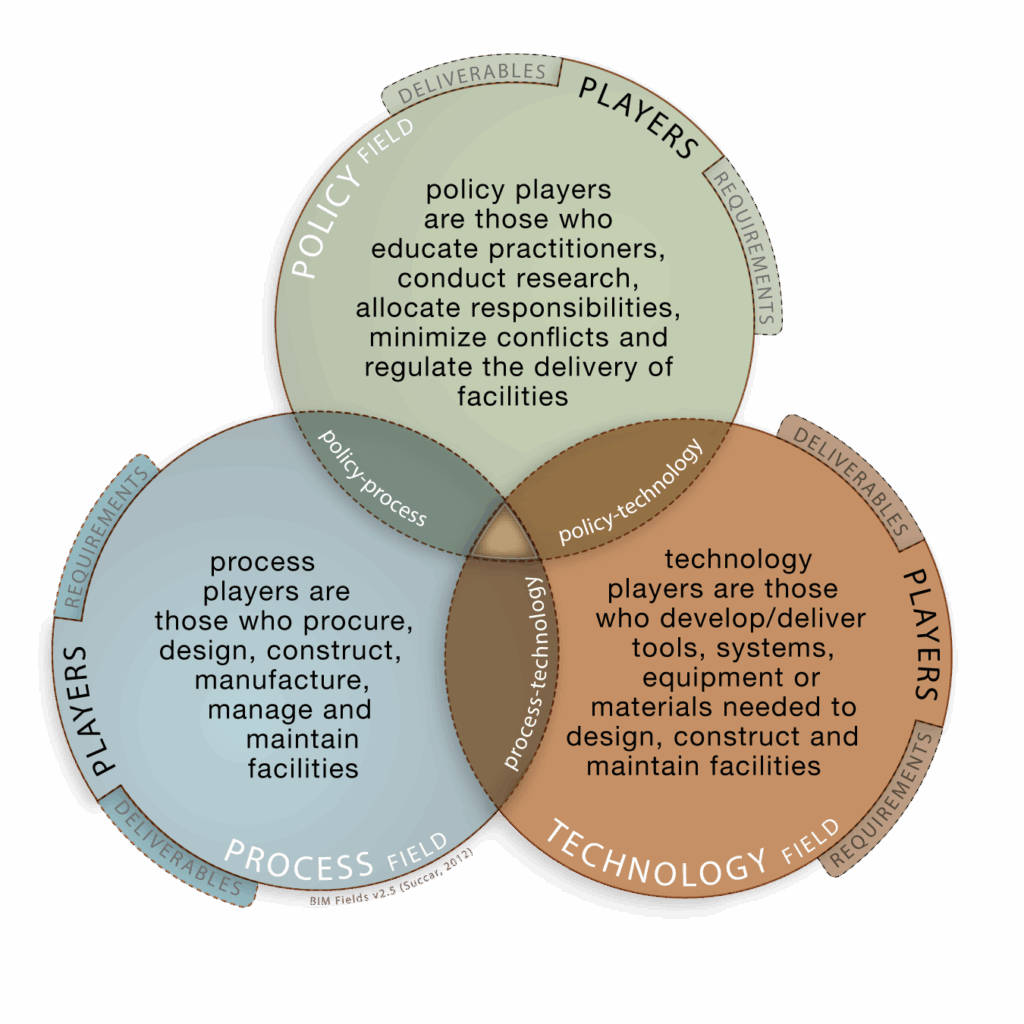
Fields, Stages and Lenses, a tri-axial map of the BIM domain.
-
2011
BIM Wash
Naming the inflated claim of using or delivering BIM.
-
2014
Middle-out diffusion
A third dynamic beyond top-down and bottom-up adoption.
-
2015
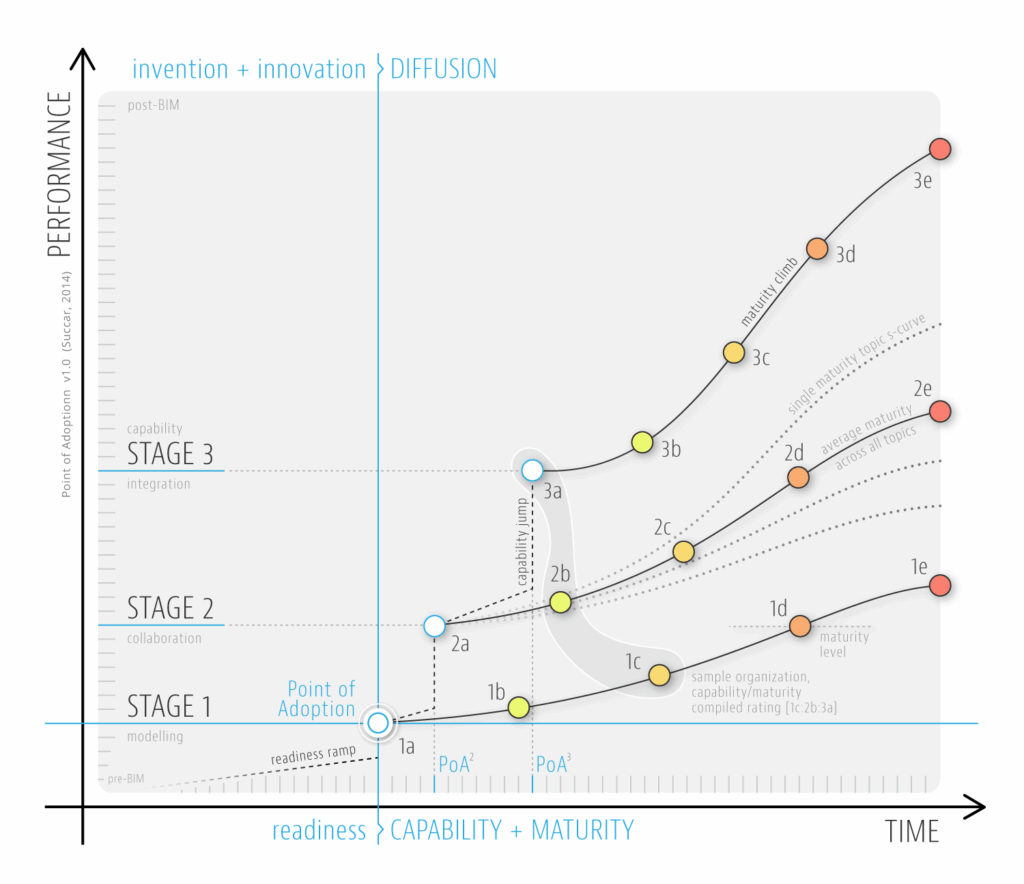
Point of Adoption
The moment readiness turns into capability.
-
2017
The BIMe Initiative launches
With the BIM Dictionary as its first project.
-
2020
The LITE framework
Lifecycle Information Transformation and Exchange, with Erik Poirier.
-
2024
Integrated Competence Model
ThinkSpace returns with five components of competence.
-
2025
Adaptive Maturity
Why organisations respond so differently to disruption.
-
2026
The language becomes tools
RPF, the Ontology and the Macro Adoption Dashboard go live; LITE opens for testing.
Latest from ThinkSpace
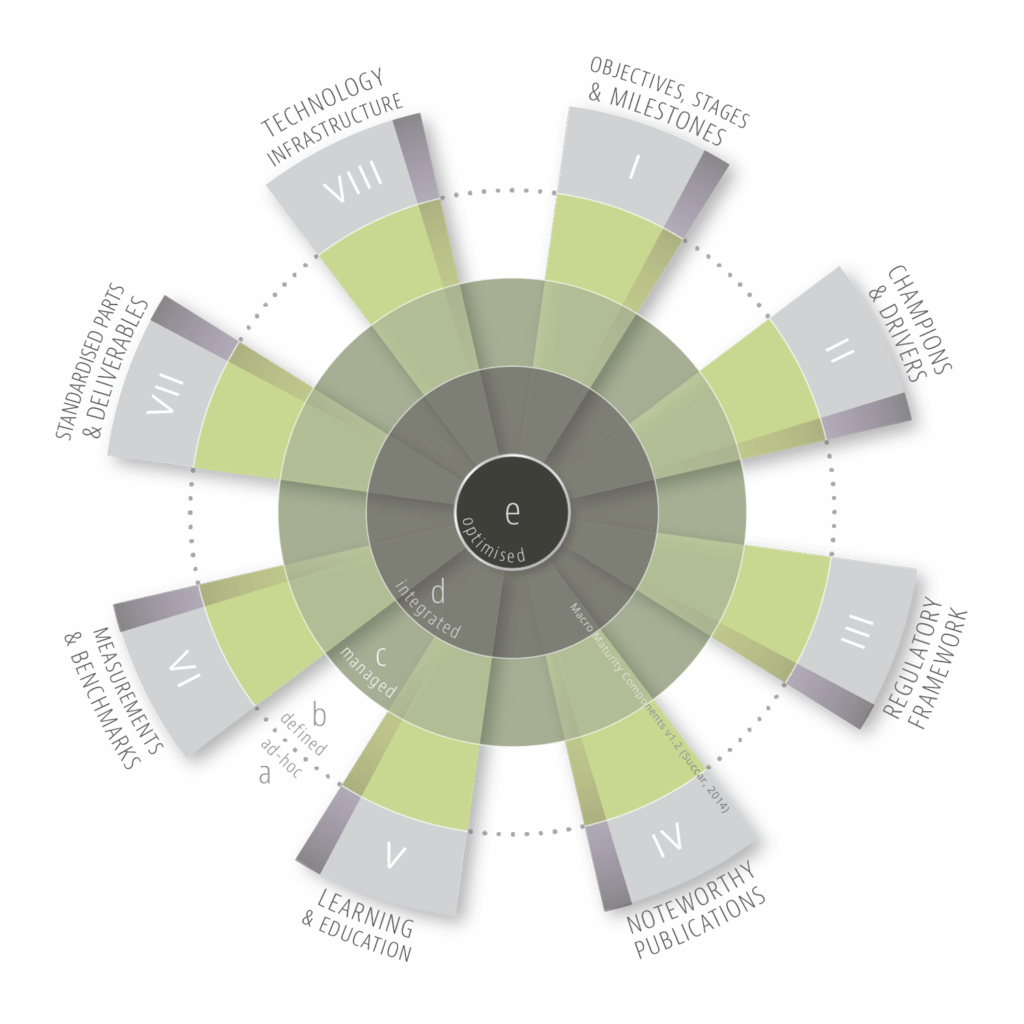
All episodes →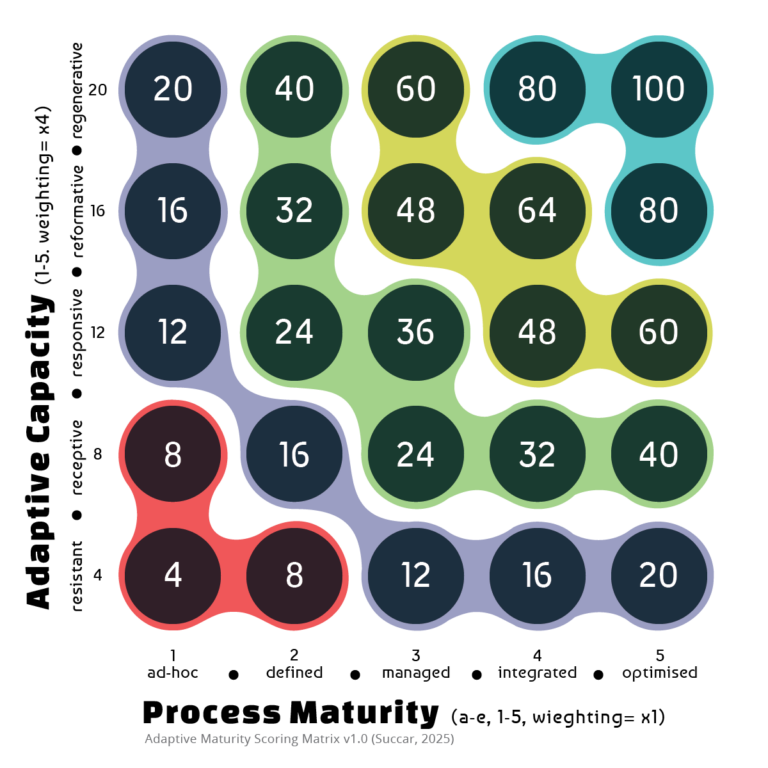 Measuring Adaptive Maturity
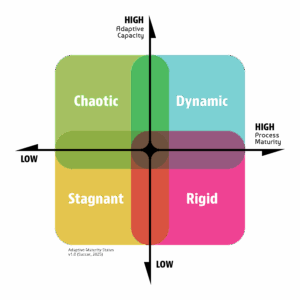 Understanding Adaptive Maturity
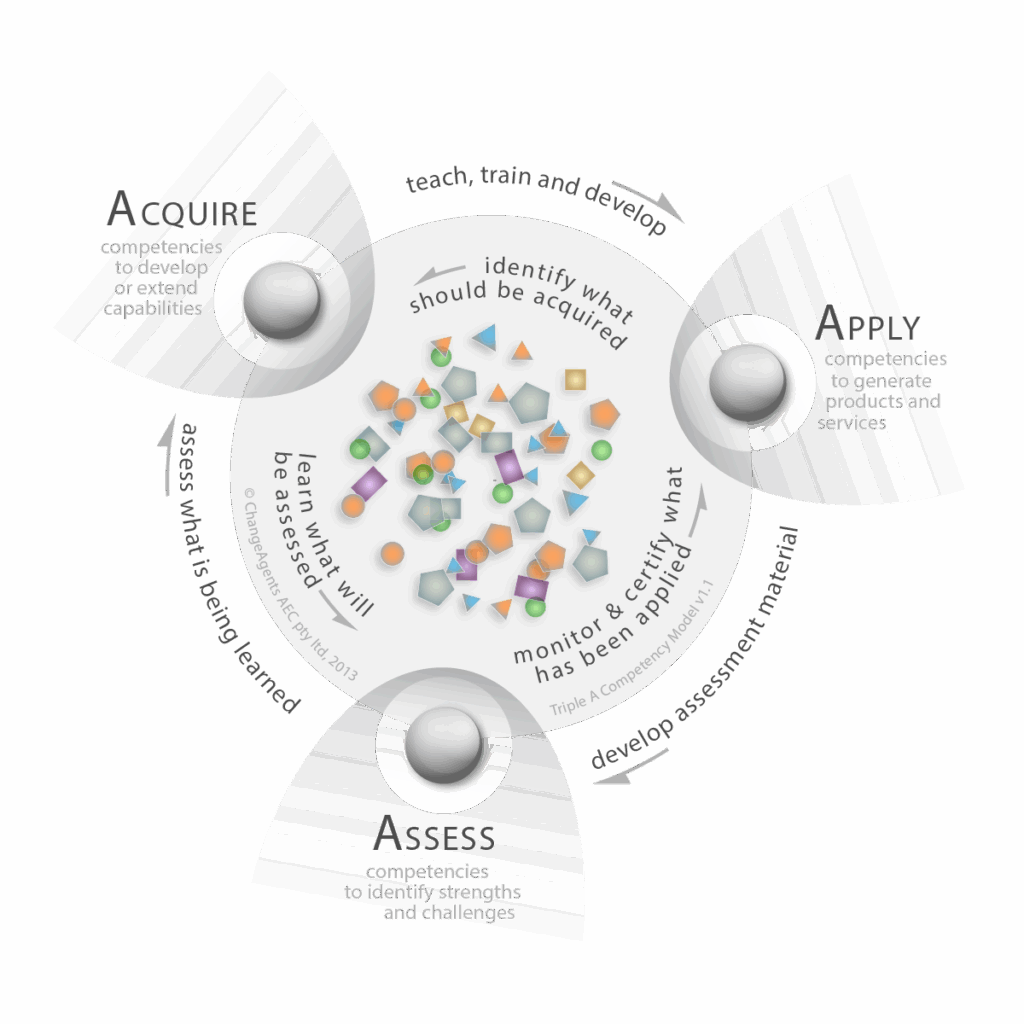
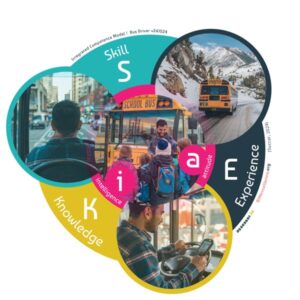 Redefining Competence, a five-component model for digital transformation
Recent releases
All announcements →- 15 Nov 2026
RPF publishes 32 roles and 836 competency statements.
- 16 Sep 2026
BIM Dictionary adds Asset Information Orchestration as a product-neutral term.
- Aug 2026
Frameworks adds model 46, LITE Information Gates and Activity Units.
- 11 Mar 2026
The Macro Adoption Dashboard launches with free datasets from three adoption studies.
06The Excellence Manifesto
Point to a principle to read its pledge.
Twenty-one principles govern everything we do
All BIMei activities and deliverables are intended to be:
- Principle 1 of 21. Open. We will share our knowledge through open channels for all to benefit.
- Principle 2 of 21. Practical. We will generate tools and guides of benefit to current and future practitioners.
- Principle 3 of 21. Educational. We will learn and educate others about ever-improving practices.
- Principle 4 of 21. Collaborative. We will collaborate with others in good faith.
- Principle 5 of 21. Neutral. We will avoid prejudice against any idea or solution.
- Principle 6 of 21. Equal. We will provide an equal opportunity for all who wish to become members or volunteers.
- Principle 7 of 21. Respectful. We will respect existing knowledge by building upon it.
- Principle 8 of 21. Structured. We will follow a clear structure for collating, organising and sharing knowledge.
- Principle 9 of 21. Modular. We will develop modular solutions for others to build their own.
- Principle 10 of 21. Cohesive. We will deliver products and components which are interconnected and interoperable.
- Principle 11 of 21. Competent. We will undertake activities when, and if, we are collectively competent to do so.
- Principle 12 of 21. Honest. We will be honest about our research and delivery abilities.
- Principle 13 of 21. Innovative. We will devise new solutions for new problems.
- Principle 14 of 21. Informed. We will investigate existing solutions before suggesting new ones.
- Principle 15 of 21. Reliable. We will harvest knowledge from reliable sources and informed peers.
- Principle 16 of 21. International. We will cater for the common requirements across national borders.
- Principle 17 of 21. Tested. We will test solutions before releasing them as such.
- Principle 18 of 21. Testable. We will make tested solutions available for others to test.
- Principle 19 of 21. Efficient. We will avoid digital, physical and financial waste.
- Principle 20 of 21. Visual. We will represent knowledge in a visual and colourful manner.
- Principle 21 of 21. Free. We will release all solutions for practitioners and researchers to freely use.
Visual. We will represent knowledge in a visual and colourful manner.
Sign the Manifesto on its page. We will email you a link to confirm your signature.
07Community
04 Collaborative. We will collaborate with others in good faith.
Built by people who share what they know
Practitioners and academics have contributed to BIMei projects, from translating the Dictionary to leading national adoption studies.
- contributors, professionals and academics
- 200+
- countries
- 40+
- Dictionary language teams
- 26
- Visual Knowledge Models
- 46
- UseApply the frameworks, terms and tools on your own projects.
- CiteEvery page carries a ready-made citation.
- SubscribeOccasional updates on new episodes, studies and releases.
- PartnerFund an open outcome with people who share our principles.
Volunteer intake is closed for now. We are not taking on new volunteers at the moment. Subscribe and we will let you know when it reopens.
Knowledge sharing as a value
08Partner with us
21 Free. We will release all solutions for practitioners and researchers to freely use.
Fund an outcome the whole industry can use
Each partnership produces something specific and open. Supporters receive early access and public acknowledgement. We look for partners who share our principles.
Talk to us about partneringCurrent supporters
Backed by

ChangeAgents AEC, Melbourne, covers basic operating costs to keep BIMei independent and ad-free.
Five outcomes you can fund
Sponsor a topic team
Fund a team of subject specialists to develop and maintain the BIM Dictionary terms for one topic, or open a new topic.
Builds on BIM Dictionary
Ask about thisFund a national adoption study
Bring your market into the Macro Adoption Dashboard with a locally led study and open datasets.
Builds on Macro Adoption Dashboard
Ask about thisPilot LITE on a real asset
Trace one of your assets from purposes to requirements to evidence, and help prove the approach in practice.
Builds on LITE
Ask about thisCo-develop a role family
Adapt or extend RPF roles for your discipline or jurisdiction, published under your organisation's name.
Builds on Roles, Profiles and Flows
Ask about thisRun a sector assessment campaign
Benchmark the digital performance of an industry, region or supply chain with Assessor.
Builds on Assessor
Ask about this-
Free and openly licensed
Frameworks, Dictionary terms, the RPF catalogue, adoption datasets and resources, under Creative Commons.
-
Free with a BIMei account
Authoring and saving work in RPF, and one sign-in across the apps for organisational members.
-
By arrangement
Assessment campaigns and LITE pilots, delivered with partners. Service providers require a licence.
Stay informed
Occasional updates on new episodes, studies and releases. No registration is needed to use any resource.