
Published on June 1, 2014 | Last Updated on December 15, 2025
Publications List
This page lists key published papers that were based in significant part on the concepts and materials developed by the BIMei Community, its founders, and affiliated researchers.
Industry Report
BIM maturity at scale: enabling digital transformation across the Canadian construction industry
The BIM Maturity at Scale Roadmap aims to facilitate digital transformation in the Canadian Construction Industry by improving the assessment and adoption of Building Information Modelling (BIM). It aims to address challenges such as fragmented processes, low productivity, and sustainability pressures by providing a standardized, scalable framework for BIM maturity that fosters collaboration among stakeholders and enhances overall industry performance.
The BIM Maturity at Scale Roadmap is a comprehensive strategy to advance digital transformation across the Canadian Construction Industry (CCI) by scaling Building Information Modelling (BIM) maturity assessment and improvement efforts nationwide. As the construction sector grapples with persistent challenges—including fragmented processes, low productivity, and mounting sustainability pressures—BIM is a cornerstone for digital transformation. It not only enables greater integration of the design, construction, and operation phases but also serves as a catalyst for digital innovation, decarbonization, and performance-based regulation. This Roadmap is a strategic response to Canada’s need for a unified and scalable approach to BIM adoption and maturity assessment. By addressing inconsistencies in adoption rates—especially among small and medium-sized enterprises, regions, and project types—it lays the groundwork for a cohesive national effort. The initiative aligns closely with the goals of the National Research Council (NRC)’s Construction Sector Digitalization and Productivity Challenge Program (CSDP), emphasizing productivity, sustainability, and innovation. This document is in nine sections: Section 1 introduces the BIM Maturity Roadmap's purpose and alignment with the NRC’s CSDP Challenge Program. It highlights BIM's role in advancing digital transformation, productivity, and sustainability in the Canadian Construction Industry. The section underscores the need for a standardized, scalable framework to address uneven BIM adoption and fragmented digital maturity across regions and sectors, fostering collaboration among stakeholders. Section 2 covers foundational concepts and introduces key terms and principles underpinning the roadmap, including BIM maturity, capability, readiness, and compliance. It also discusses how these concepts connect to digital transformation metrics and processes, forming the theoretical basis for a scalable maturity framework. Section 2 outlines the tools, processes, and metrics required to evaluate and enhance BIM maturity across various organizational scales and project types. It integrates benchmarking strategies and feedback mechanisms to ensure continuous improvement and alignment with industry needs. Section 4 focuses on scaling BIM maturity assessment and discusses how the framework is designed to be adaptable to diverse regions, sectors, and project complexities. It addresses the challenges of scaling from individual organizations to industry-wide applications, providing a clear structure for data collection and analysis. Section 5 clarifies how maturity assessments can translate into actionable BIM maturity improvement initiatives. It identifies key areas for growth, including digital competencies, interoperability, and client demand, while emphasizing collaboration among stakeholders. Section 6 presents the Roadmap in three stages. The first stage establishes the foundational frameworks for BIM maturity assessment, integrating global standards like ISO 19650 and best practices from advanced national and international initiatives. The second stage focuses on activation, scaling, and benchmarking efforts, collecting data across provinces and sectors to inform targeted interventions. Finally, the third stage prioritizes the development of practical tools, collaboration protocols, and training programs to support stakeholders in improving their digital capabilities. Section 7 details the insights from stakeholder consultations including the importance of coordinating efforts across the industry and the need to move forward without delay. Section 8 provides a succinct summary of this document. Section 9 includes two annexes that provide additional resources, including maturity models, assessment tools, and reference materials. These support the roadmap's practical application and scalability, ensuring alignment with international best practices and national objectives In summary, the Roadmap addresses critical barriers for market-wide BIM adoption and digital transformation, including a lack of client demand, insufficient digital competencies, and limited interoperability. By encouraging collaboration among policymakers, industry leaders, and academic institutions, the BIM Maturity at Scale project aims to unlock the transformative potential of BIM. The ultimate objective is to create an adaptable, data-driven ecosystem that supports the entire lifecycle of built assets, enhances decision-making, and drives Canada’s Construction Industry towards greater efficiency, innovation, and sustainability.
Conference Paper
Towards a taxonomy of built asset lifecycle information coupling
The purpose of this paper is to propose a taxonomy of Built Asset Lifecycle Information Couples that outlines key elements and definitions for integrating physical and digital assets in the built asset industry. This taxonomy aims to enhance the understanding and management of lifecycle information by establishing a structured framework for the coupling of physical and digital resources.
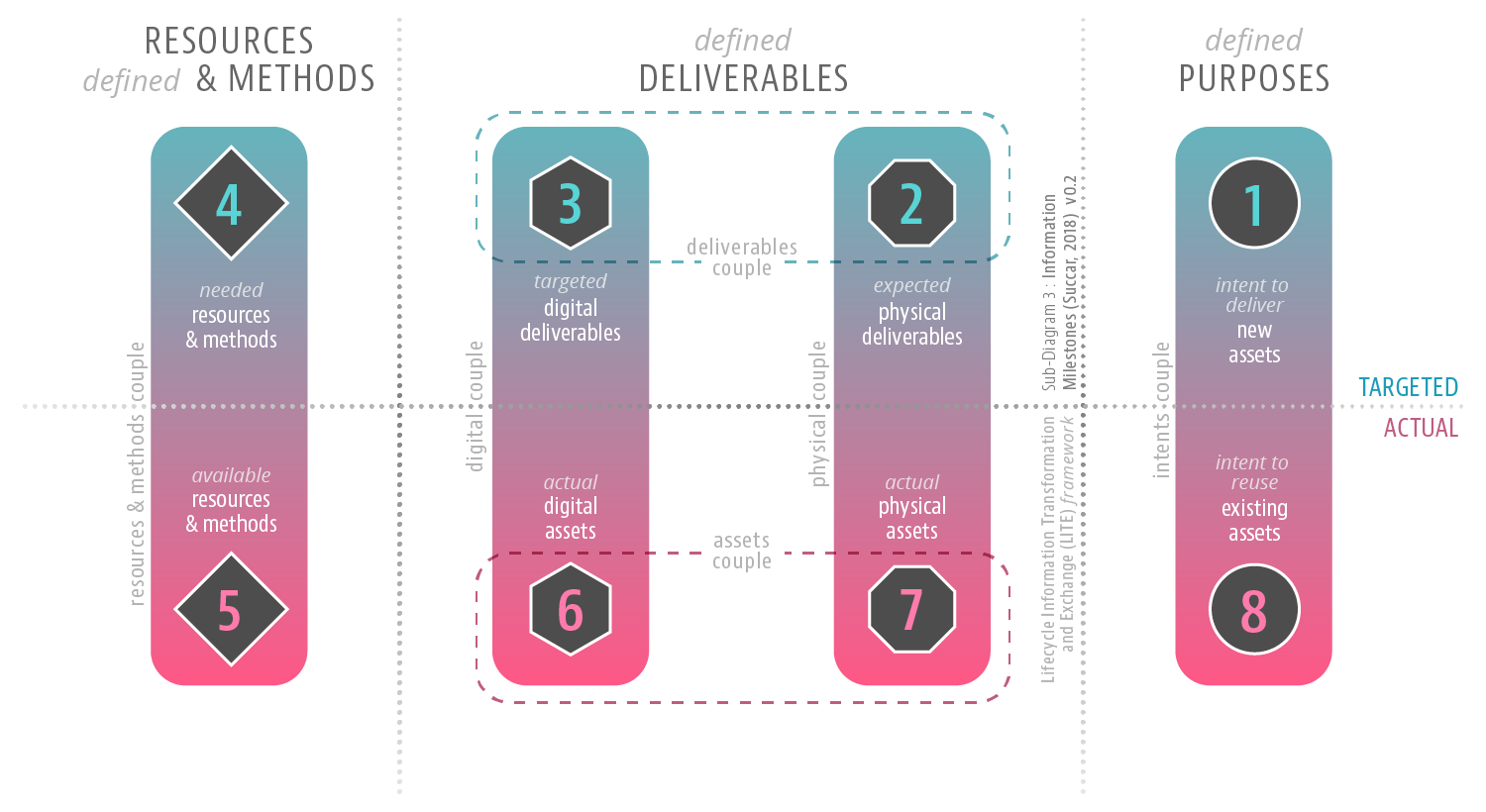
The accelerating pace of digitalization of the built asset industry is pushing towards a tighter coupling of digital and physical assets and resources. Such coupling shows promise in allowing industry stakeholders to unlock the value generated through integrated information management and processing across an asset's lifecycle. Within the context of cyber-physical systems in the Built Environment, a growing number of studies are focusing on the application of Digital Twins (DT)s, in which a digital model reflects the state of a physical asset at any given moment. As a nascent field of study, the concepts and terminology used to describe, study, and develop the domain are still evolving. In many cases, several of these concepts must be coined and defined to act as a foundation to support the development and instantiation of theories, models, and frameworks applicable within this domain. This paper proposes a taxonomy of Built Asset Lifecycle Information Couples which provides the core elements, definitions and characteristics framing the physical-digital coupling of assets and resources in the built asset industry. The proposed taxonomy developed in this paper contributes to the effort aimed at structuring the knowledge domain of lifecycle information management through the coupling of physical and digital worlds in the built environment.
Journal Paper
Lifecycle information transformation and exchange for delivering and managing digital and physical assets
This paper aims to respond to the growing digitalization demands in the construction industry by providing a modular information management framework. It aims to offer a conceptual structure for defining, managing, and integrating project and asset information, addressing practical business needs while facilitating effective information flows throughout an asset's lifecycle.
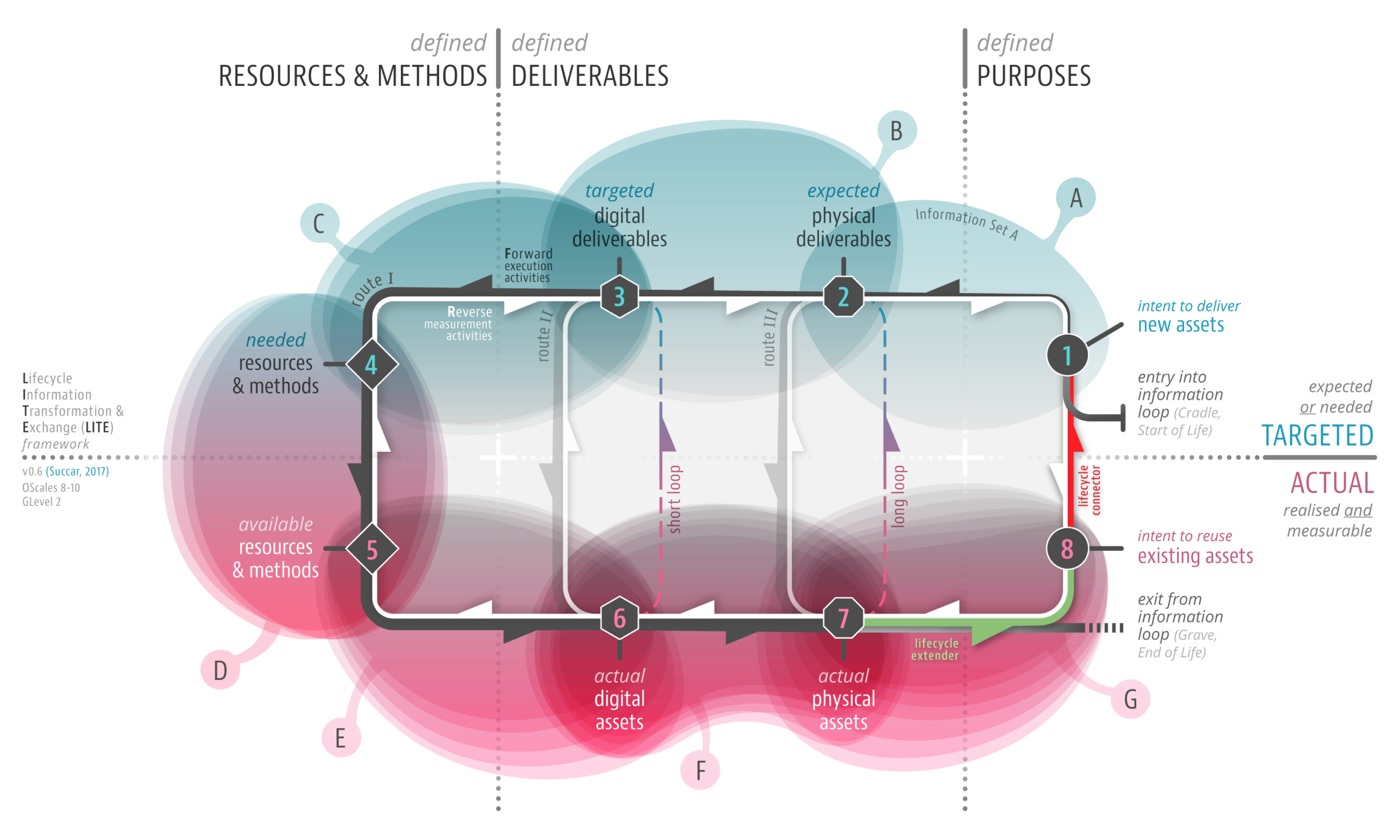
The rapid pace of digitalisation within the Construction Industry and the divergence from traditional practice inherent to this transformation requires the development of new knowledge to frame these emerging practices. Acting on increasing digitalisation pressures, many national and international standards, protocols, and specifications have been generated with little conceptual framing or with no theoretical underpinning. This positioning paper responds to practical business needs of organisations and project teams, builds upon existing conceptual constructs, and delivers a modular information management framework. The Lifecycle Information Transformation and Exchange (LITE) framework is an extendable conceptual skeletal for defining, managing, and integrating project and asset information. Developed, described, and explained for ongoing field testing, the LITE framework integrates multiple components - information statuses, states, milestones, flows, gates, routes, loops, actions, sets, and tiers – which collectively lay the foundations for an open access digital platform being developed by an international Community of Research and Practice. The framework describes – and aims to predict - information flows across an asset's lifecycle. Its modular conceptual structure, iterative flows, and task-oriented terminology are calibrated to guide the integrated design, delivery, and utilisation of assets of any type, function, or scale.

Journal Paper
Macro BIM adoption: Comparative market analysis
The paper aims to enhance understanding of Building Information Modelling (BIM) adoption dynamics across different countries. It validates five conceptual models using input from 99 experts and identifies commonalities and differences in BIM adoption. The paper aims to provide tools and templates for developing effective BIM adoption policies and serves as a foundation for future research in this area.
The adoption of Building Information Modelling (BIM) across markets is a pertinent topic for academic discourse and industry attention. This is evidenced by the unrelenting release of national BIM initiatives; new BIM protocols; and candidate international standards. This paper is the second part of an ongoing Macro BIM Adoption study: the first paper “Macro BIM Adoption: Conceptual Structures” (Succar and Kassem, 2015) introduced five conceptual models for assessing macro BIM adoption across markets and informing the development of BIM adoption policies. This second paper clarifies how these models are validated through capturing the input of 99 experts from 21 countries using a survey tool; highlights the commonalities and differences between sample countries with respect to BIM adoption; and introduces sample tools and templates for either developing or calibrating BIM adoption policies.
Conference Paper
Building Information Modelling: Point of Adoption
The paper introduces the Point of Adoption (PoA) model, which unifies various concepts related to Building Information Modelling (BIM) adoption. This model aims to clarify the connections between organizational readiness, software implementation, and innovation diffusion, while also providing a framework for assessing current capabilities and outlining a structured approach to BIM adoption and continuous performance improvement.
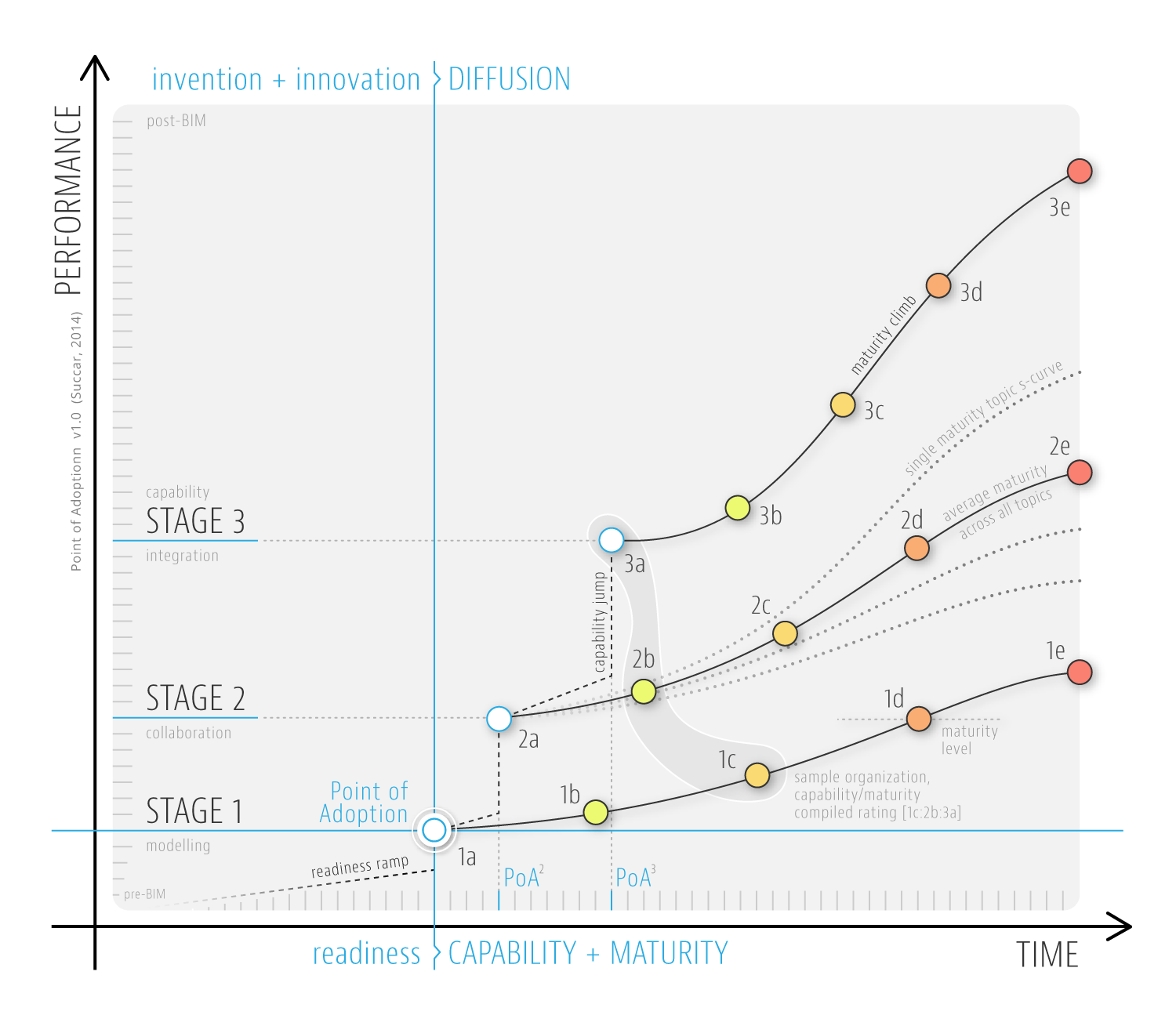
Building Information Modelling (BIM) is the current expression of construction industry innovation generating a wide range of augmented market deliverables, new requirements and emergent roles. For organizations to cross the innovation chasm, they need to progressively implement complementary tools, workflows and protocols. Such multifaceted implementation is not instantaneous but passes through recursive periods of implementation readiness, capability acquisition, and performance maturity. Similarly, BIM diffusion within organizations is not a frictionless derivative of BIM implementation, but a function of competition dynamics and institutional isomorphic pressures. While there are a number of academic studies and industry surveys covering organisational readiness, software implementation or innovation diffusion, there is no single conceptual model to describe, explain and test BIM adoption as a single construct connecting all these concepts. Based on published research and experiential knowledge, this paper introduces the Point of Adoption (PoA) model which integrates these concepts into a single visual model. The PoA model – not only clarifies the connection between these concepts but – facilitates the assessment of current organisational abilities, and clarifies a step-wise approach to BIM adoption and continuous performance improvement.
Conference Paper
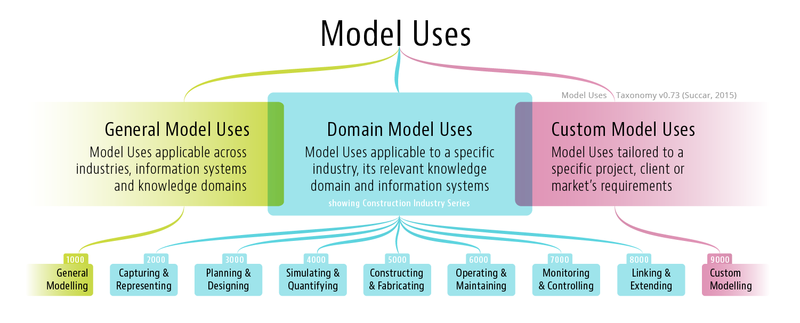
Model Uses: Foundations for a Modular Requirements Clarification Language
This paper introduces the Model Uses concept, which provides a structured approach for clearly defining and articulating the intended uses of Building Information Modeling (BIM). It aims to bridge the gap between stakeholder expectations and actual deliverables by offering a taxonomy and practical tools to enhance project requirements identification and delivery in BIM projects.
Building Information Modelling (BIM) tools and workflows can increase design productivity, reduce construction waste, and improve connectivity of facility operations. To achieve such benefits, model-based deliverables (e.g. model-based cost estimation, construction planning, or asset tracking) first need to be clearly specified by owners/clients and, second, be delivered by supply chain players according to these specifications. While there are many guides, protocols, and standards for defining information content within models, there is little guidance for specifying the uses to be derived from this modelled information. To bridge the gap between what is expected from BIM, and what will actually be delivered, there is a need for a clear and modular 'requirements clarification' language. Based on published research – including a framework, conceptual ontology, and competency model – as well as ongoing practical applications, this paper introduces the Model Uses concept, comprising a Model Uses Taxonomy and a Model Uses List. Model Uses are the intended, planned, or expected project deliverables resulting from generating, collaborating, or linking models to external databases. This paper explores the conceptual foundations of Model Uses and then provides practical examples – an implementation task list and an assessment module-of how this modular language assists in identifying BIM project requirements and facilitating project delivery.

Journal Paper
Macro-BIM adoption: Conceptual structures
The purpose of this paper is to introduce macro-adoption models and frameworks that systematically assess Building Information Modelling (BIM) adoption across various markets. It aims to provide insights and tools that can help policymakers and researchers develop effective country-specific BIM adoption policies and improve the overall diffusion of BIM practices in the construction industry.
Building Information Modelling (BIM) concepts and workflows continue to proliferate within organisations, through project teams, and across the whole construction industry. However, both BIM implementation and BIM diffusion are yet to be reliably assessed at market scale. Insufficient research has been conducted to date towards identifying the conceptual structures that would explain and encourage large-scale BIM adoption. This paper introduces a number of macro-adoption models, matrices and charts. These models can be used to systematically assess BIM adoption across markets, and inform the structured development of country-specific BIM adoption policies.
Book Chapter
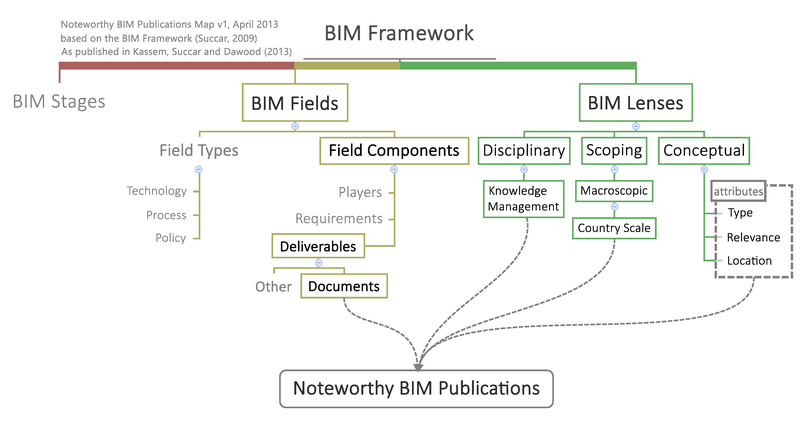
Building Information Modeling: analyzing noteworthy publications of eight countries using a knowledge content taxonomy
The chapter organizes and analyzes BIM knowledge as presented in various noteworthy publications. It aims to facilitate targeted access to BIM content for stakeholders in the construction industry during implementation, while also providing a research base for identifying and addressing knowledge gaps within the BIM domain.
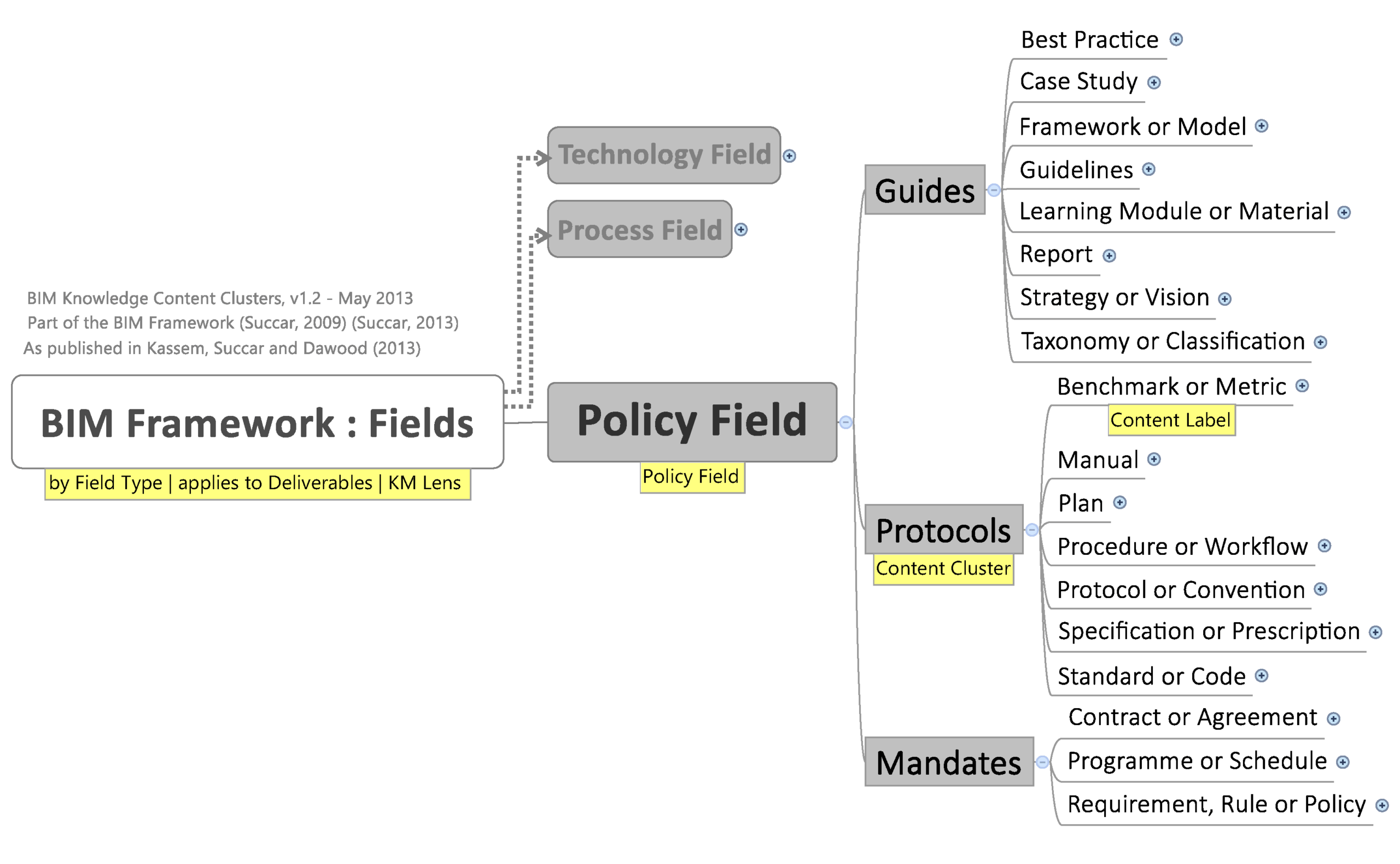
Building Information Modeling (BIM) tools and workflows have the potential to significantly improve the efficiency of design, construction and operation activities. Numerous BIM deliverables and their respective requirements have been widely discussed by industry stakeholders. This is evidenced by the intensity of online communications surrounding BIM topics and the accelerating availability of noteworthy BIM publications (NBP)s. NBPs are publically-available industry documents incorporating guidelines, protocols and requirements focusing on BIM deliverables and workflows. These publications are the product of various governmental bodies, industry associations, communities of practice and research institutions, intended to facilitate BIM adoption, and realize BIM’s value-adding potential. A specialized taxonomy is employed to analyze 57 noteworthy BIM publications from across eight countries selected for their active BIM scene. The BIM knowledge content (BKC) taxonomy includes three knowledge content clusters (guides, protocols and mandates) subdivided into 18 knowledge content labels (e.g. report, manual, and contract). Ten of these content labels are used to analyze andcompare publications from Australia, Denmark, Finland, the Netherlands, Norway, Singapore, the United Kingdom, and the United States. Preliminary content analysis is then performed which provides insight into the availability and distribution of BIM knowledge within noteworthy BIM publications. The analysis identifies knowledge gaps within publications and highlights opportunities for future research and complementary publication efforts. This chapter contributes to organizing BIM knowledge as contained within numerous noteworthy BIM publications and– by that - facilitates targeted access to their content. It provides a knowledge repository for construction industry stakeholder’s to utilize during BIM implementation and a research base for investigators seeking to identify and address knowledge gaps across the BIM domain.
Conference Paper
A Competency knowledge-base for BIM learning
This paper aims to identify, classify, and aggregate BIM competencies to create a knowledge base that supports the development of BIM learning modules for various audiences. This will enhance the education of current and future professionals, promote a common understanding of BIM deliverables, and support national initiatives for advancing BIM learning in Australia.
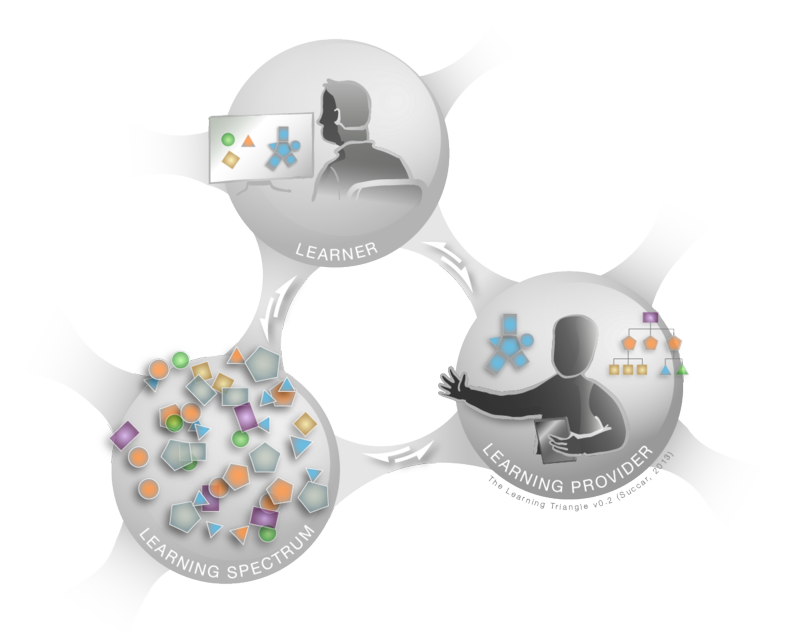
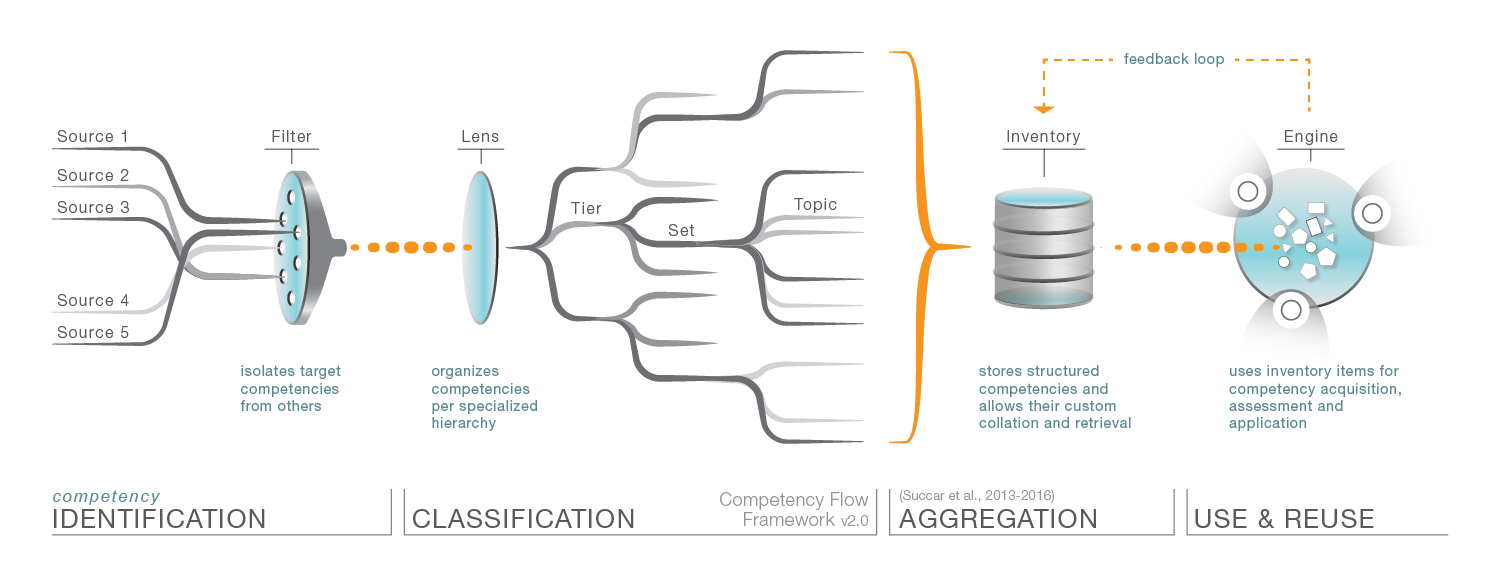
Building Information Modelling (BIM) tools and workflows continue to proliferate within the Design, Construction and Operation (DCO) industry. To equip current and future industry professionals with the necessary knowledge and skills to engage in collaborative workflows and integrated project deliverables, it is important to identify the competencies that need to be taught at educational institutions or trained on the job. Expanding upon a collaborative BIM education framework pertaining to a national BIM initiative in Australia, this paper introduces a conceptual workflow to identify, classify, and aggregate BIM competency items. Acting as a knowledge-base for BIM learners and learning providers, the aggregated competency items can be used to develop BIM learning modules to satisfy the learning requirements of varied audiences - be they students, practitioners, tradespeople or managers. This competency knowledge-base will facilitate a common understanding of BIM deliverables and their requirements, and support the national efforts to promote BIM learning.
Journal Paper
An integrated approach to BIM competency acquisition, assessment and application
This paper aims to identify essential BIM competencies for individuals in professional, organizational, and educational settings, and to develop tools and processes that support their learning and application. It aims to enhance BIM performance assessment and improvement through a competency-based approach, benefiting both industry and academia.
Professional, organisational and educational institutions have started to adopt BIM software tools and adapt their existing delivery systems to satisfy evolving market requirements. To enable individuals within these organisations to develop their BIM abilities, it is important to identify the BIM competencies that need to be learned, applied on the job, and measured for the purposes of performance improvement. Expanding upon previous research, this paper focuses on individual BIM competencies, the building blocks of organisational capability. The paper first introduces several taxonomies and conceptual models to clarify how individual competencies may be filtered, classified, and aggregated into a seed competency inventory. Competency items are then fed into a specialised knowledge engine to generate flexible assessment tools, learning modules and process workflows. Finally, the paper discusses the many benefits this competency-based approach brings to industry and academia, and explores future conceptual and tool development efforts to enable industry-wide BIM performance assessment and improvement.
Conference Paper
A proposed approach to comparing the BIM maturity of countries
The paper proposes three metrics for assessing BIM maturity in countries by evaluating noteworthy BIM publications and their knowledge content. These metrics aim to enhance survey data, inform policy development, and identify knowledge gaps in the construction industry.
BIM concepts and tools have now proliferated across the construction industry. This is evidenced by the comparative results of BIM adoption rates reported through a number of industry surveys. However these surveys typically cover a small number of industry stakeholders; are intended to establish adoption rates by organizations rather than markets; and are unsupported by theoretical frameworks to guide data collection and analysis. Based on a published theoretical framework, this paper proposes three metrics to augment survey data and help establish the overall BIM maturity of countries. These metrics apply to noteworthy BIM publications (NBP)s and assess their BIM knowledge content (BKC). NBPs are publically-available industry documents intended to facilitate BIM adoption; while BKCs are specialized labels (e.g. report, manual, and contract) used to describe NBP contents. The three metrics – NBP availability, NBP content distribution, and NBP relevance – are applied in assessing the knowledge deliverables of three countries – United States, United Kingdom and Australia – chosen for their similar construction culture and active BIM scene. The paper then discusses how these complementary metrics can inform policy development and identify market-wide knowledge gaps.
PhD Thesis
Building Information Modelling: conceptual constructs and performance improvement tools
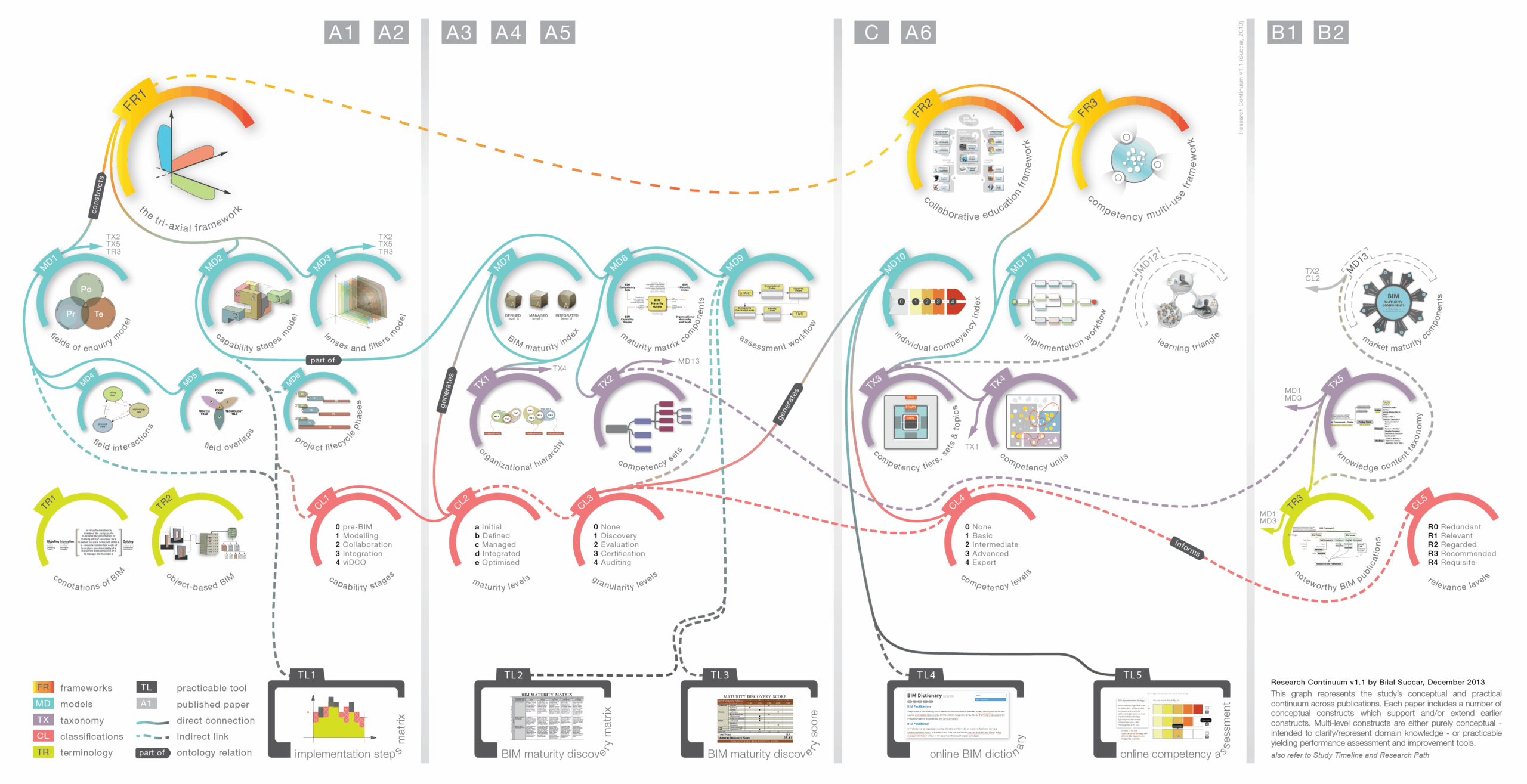
The thesis addresses the challenges associated with Building Information Modelling (BIM) adoption in industry and academia. By identifying knowledge gaps within the BIM domain, it aims to provide a holistic understanding of these gaps and develop conceptual constructs and tools to facilitate BIM learning, assessment, and performance improvement. The study seeks to clarify the knowledge structures underlying BIM and create frameworks that enable effective measurement and enhancement of BIM performance in the construction industry.
Building Information Modelling (BIM) is a set of technologies, processes and policies enabling multiple stakeholders to collaboratively design, construct and operate a facility. There are numerous challenges attributed to BIM adoption by industry and academia. These represent a number of knowledge gaps each warranting a focused investigation by domain researchers. This study does not isolate a single gap to address but espouses a holistic view of the knowledge problem at hand. It contributes to the discussion a set of conceptual constructs that clarify the knowledge structures underlying the BIM domain. It also introduces a number of practicable knowledge tools to facilitate BIM learning, assessment and performance improvement. This study is delivered through complementary papers and appendices to answer two primary research questions. The first explores the knowledge structures underlying the BIM domain whilst the second probes how these knowledge structures can be used to facilitate the measurement and improvement of BIM performance across the construction industry. To address the first question, the study identifies conceptual clusters underlying the BIM domain, develops descriptive taxonomies of these clusters, exposes some of their conceptual relationships, and then delivers a representative BIM framework. The BIM framework is composed of three-axes which represent the main knowledge structures underlying the BIM domain and support the development of functional conceptual models. To address the second question, BIM framework structures are extended through additional concepts and tools to facilitate BIM performance assessment and development of individuals, organizations and teams. These additional concepts include competency sets, assessment workflows and measurement tools which can be used to assess and improve the BIM performance of industry stakeholders.
Journal Paper
Measuring BIM performance: five metrics
This article outlines the five essential components that facilitate the assessment of Building Information Modelling (BIM) in the design, construction, and operation industry. These components help organizations understand the stages of BIM implementation, measure maturity levels, identify competencies, recognize various organizational scales, and perform targeted performance analyses.
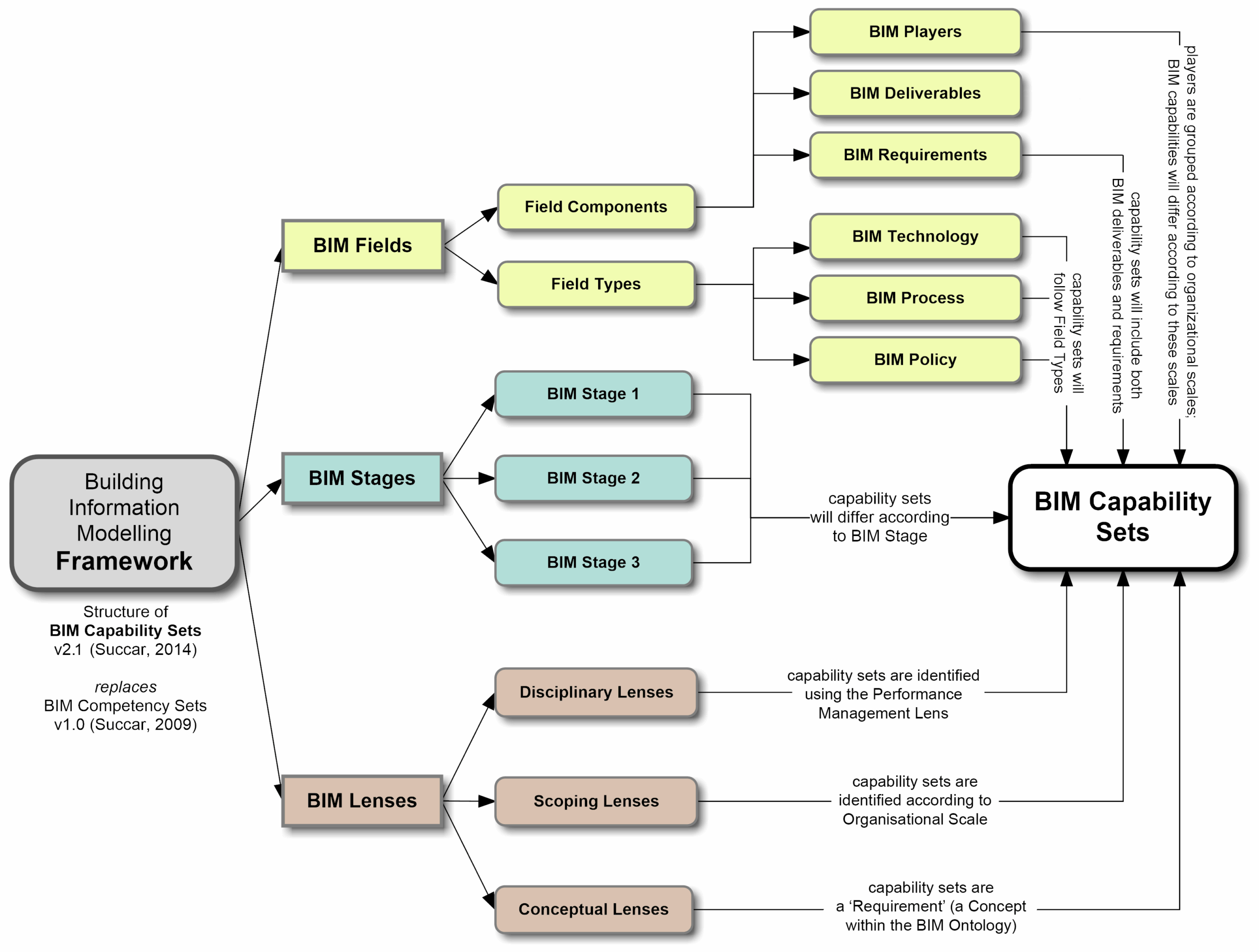
The term Building Information Modelling (BIM) refers to an expansive knowledge domain within the design, construction and operation (DCO) industry... This article identifies five complementary components specifically developed to enable such assessment: (i) BIM capability stages representing transformational milestones along the implementation continuum; (ii) BIM maturity levels representing the quality, predictability and variability within BIM stages; (iii) BIM competencies representing incremental progressions towards and improvements within BIM stages; (iv) Organizational Scales representing the diversity of markets, disciplines and company sizes; and (v) Granularity Levels enabling highly targeted yet flexible performance analyses ranging from informal self-assessment to high-detail, formal organizational audits.
Industry Report
BIM Education, BIM in Practice
This paper outlines the objectives of the BIM Education Working Group (EWG) and establishes a framework for BIM education focused on the necessary skills for built environment professionals. It also promotes collaboration among industry and academic stakeholders to advance BIM education and its implementation.
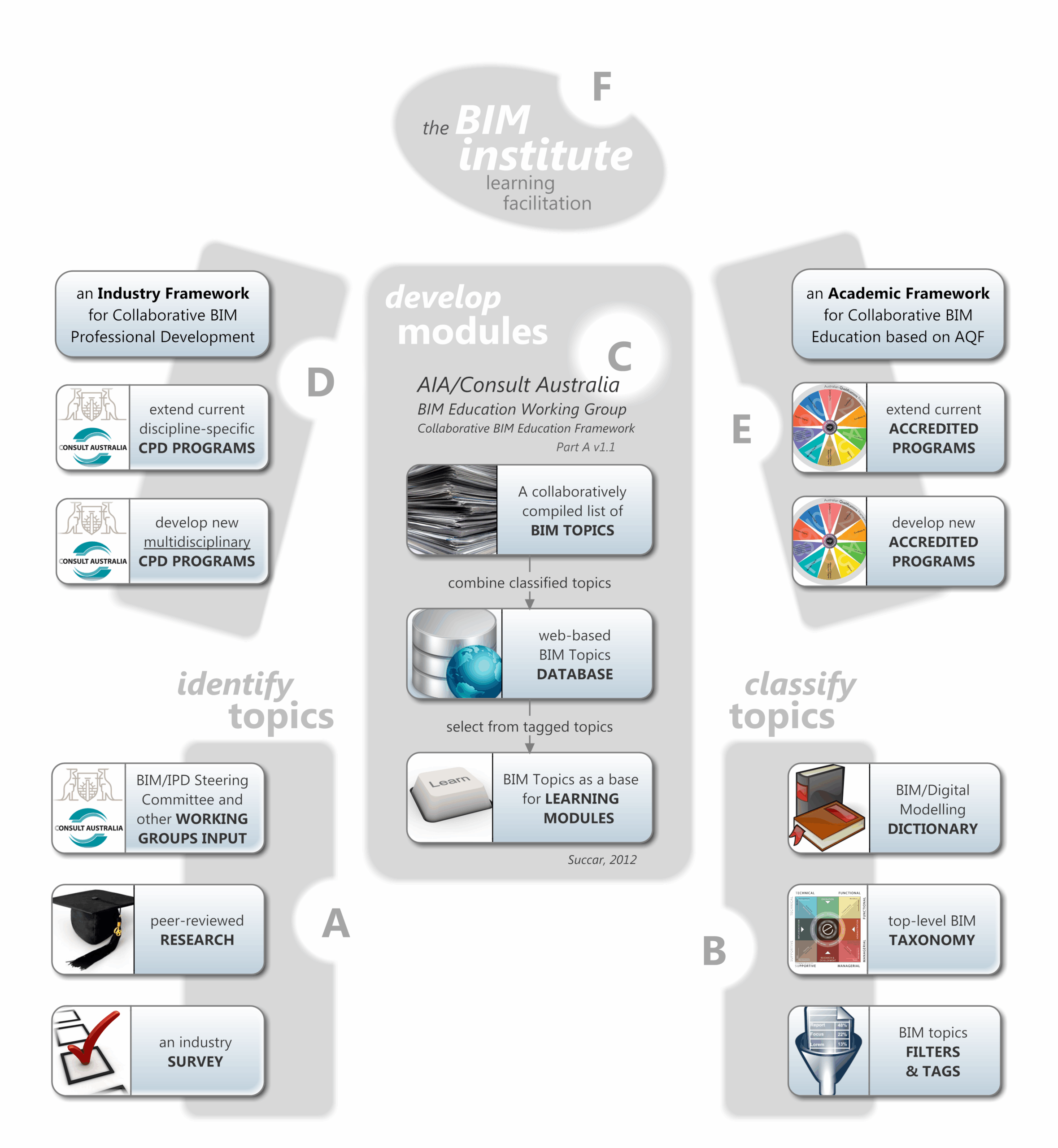
Building Information Modelling (BIM) is a transformative approach to designing, constructing and operating the built environment. BIM includes a wide range of concepts, tools and workflows which need to be learned and applied by industry stakeholders. BIM Education represents the process of acquiring the necessary knowledge and the required skills to generate BIM deliverables and satisfy their respective requirements. The documents gathered here stem from the efforts of the BIM Education Working Group (EWG). The EWG started its six month mandate back in December 2011 and included 11 members, equally split between industry (practicing professionals) and academia (university/TAFE lecturers and researchers). There are three documents in the BIM Education section. Read together, they represent the position of the EWG, an invitation for an open discussion, and a foundation for further work.
Conference Paper
The five components of BIM performance measurement
The paper aims to identify and explore five complementary components that facilitate the assessment and improvement of Building Information Modelling (BIM) performance within the Design, Construction, and Operation (DCO) industry. These components provide a systematic framework for understanding and advancing BIM capabilities.
Building Information Modelling (BIM) is an expansive knowledge domain within the Design, Construction and Operation (DCO) industry . The voluminous possibilities attributed to BIM represent an array of challenges that can be met through a systematic research and delivery framework spawning a set of performance assessment and improvement metrics. This paper identifies five complementary components specifically developed to enable such assessment: [1] BIM Capability Stages representing transformational milestones along the implementation continuum [2] BIM Maturity Levels representing the quality, predictability and variability within BIM Stages, [3] BIM Competencies representing incremental progressions towards and improvements within BIM Stages, [4] Organisational Scales representing the diversity of markets, disciplines and company sizes and [5] Granularity Levels enabling highly-targeted yet flexible performance analyses ranging from informal self-assessment to high-detail, formal organisational audits. This paper explores these complementary components and positions them as a systematic method to understand BIM performance and to enable its assessment and improvement.
Book Chapter
Building Information Modelling maturity matrix
The chapter explores the multi-dimensional nature of Building Information Modelling (BIM) and provide a framework for assessing and improving BIM capabilities and maturity within the Architecture, Engineering, Construction, and Operations (AECO) industry. It introduces tools and models—such as the BIM Maturity Matrix and Competency Granularity Filter—that help individuals and organizations evaluate their BIM performance and tailor their strategies accordingly.
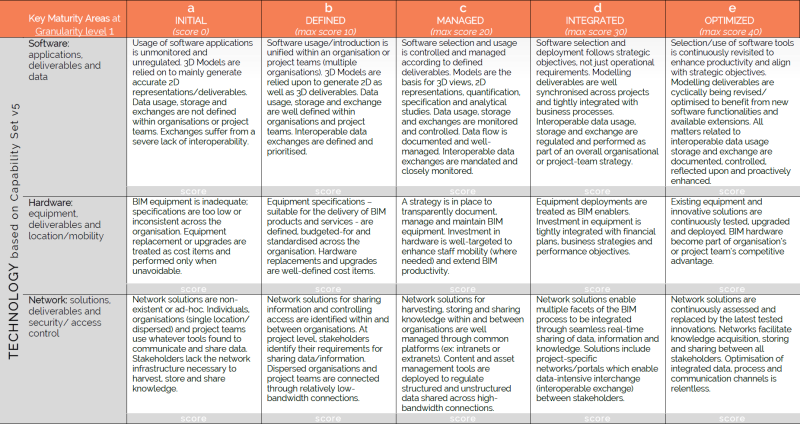
Building Information Modelling (BIM) is an expanding collection of concepts and tools which have been attributed with transformative capabilities within the Architecture, Engineering, Construction and Operations (AECO) industry. BIM discussions have grown to accommodate increasing software capabilities, infinitely varied deliverables, and competing standards emanating from an abundance of overlapping definitions attempting to delineate the BIM term. This chapter will steer away from providing its own definition of BIM yet concurs with those identifying it as a catalyst for change (Bernstein, 2005) poised to reduce industry’s fragmentation (CWIC, 2004), improve its efficiency (Hampson & Brandon, 2004) and lower its high costs of inadequate interoperability (NIST, 2004). In essence, BIM represents an array of possibilities and challenges which need to be understood and met respectively through a measurable and repeatable approach. This chapter briefly explores the multi-dimensional nature of the BIM domain and then introduces a knowledge tool to assist individuals, organisations and project teams to assess their BIM capability, maturity and improve their performance (Figure 1). The first section introduces BIM Fields and Stages which lay the foundations for measuring capability and maturity. Section 2 introduces BIM Competencies which can be used as active implementation steps or as performance assessment areas. Section 3 introduces an Organisational Hierarchy/Scale suitable for tailoring capability and maturity assessments according to markets, industries, disciplines and organisational sizes. Section 4 explores the concepts behind ‘capability maturity models’ and then adopts a five-level BIM-specific Maturity Index (BIMMI). Section 5 introduces the BIM Maturity Matrix (BIm_), a performance measurement and improvement tool which identifies the correlation between BIM Stages, Competency Sets, Maturity Levels and Organisational Scales. Finally, Section 6 introduces a Competency Granularity Filter which enables the tailoring of BIM tools, guides and reports according to four different levels of assessment granularity.
Journal Paper
Building information modelling framework: a research and delivery foundation for industry stakeholders
This paper explores the expansive field of Building Information Modelling (BIM) within the AECO industry. It aims to define key knowledge components, outline the BIM Framework for research and delivery, and present various conceptual elements and their applications, while also employing visual models to represent domain concepts and relationships.
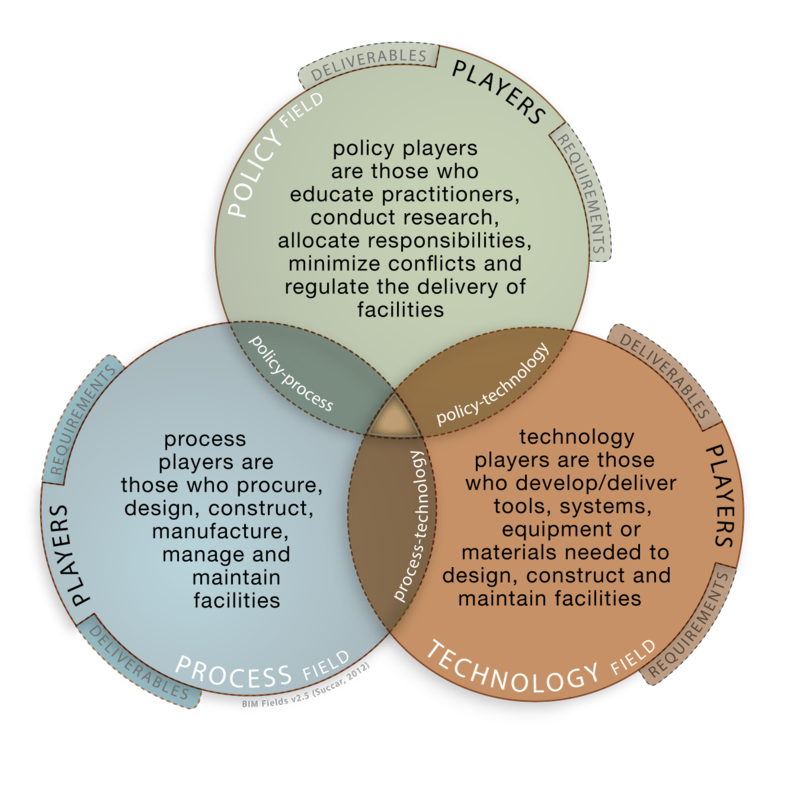
Building Information Modelling (BIM) is an expansive knowledge domain within the Architecture, Engineering, Construction and Operations (AECO) industry. To allow a systematic investigation of BIM's divergent fields, its knowledge components must be defined and expanding boundaries delineated. This paper explores some of the publicly available international guidelines and introduces the BIM Framework, a research and delivery foundation for industry stakeholders. This is a‘scene-setting’ paper identifying many conceptual parts (fields, stages, steps and lenses), providing examples of their application and listing some of the Framework's deliverables. This paper also identifies and deploys visual knowledge models and a specialised ontology to represent domain concepts and their relations.
Conference Paper
A proposed framework to investigate Building Information Modelling through knowledge elicitation and visual models
This paper aims to provide a structured approach to understanding Building Information Modeling (BIM) within the Architecture, Engineering, and Construction (AEC) industry. It defines key BIM knowledge components, connects related fields, and clarifies its evolving boundaries. The paper presents a research framework and methodology to capture BIM interactions and develop visual models for expert insights, while also identifying areas for future research.
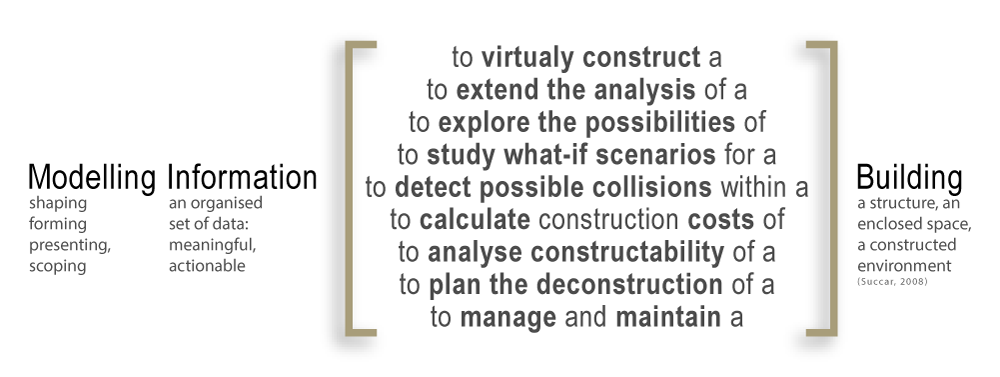
Building Information Modelling (BIM) is an expansive knowledge domain within the Architecture, Engineering and Construction (AEC) industry. To allow a systematic investigation of the domain, research is needed to define BIM knowledge components, connect its divergent fields and delineate its expanding boundaries. This paper introduces a research framework for identifying BIM concepts and a methodology for capturing and representing BIM interactions. It also proposes visual models to elicit expert knowledge and identifies further research requirements.